What informs the Ishi Spiral
Published research informs each phase. The 4-phase Spiral is a synthesis of that research and long practice. As an integrated system it is offered as a hypothesis, to be tested in use.
- Published researchDecision science, skill acquisition, self-regulation, endurance research, leadership practice and reflective learning. Examples include Peter Gollwitzer's studies of implementation intentions, behind the Decide phase's insistence on a specific, prior commitment; Annie Duke's separation of decision quality from outcome quality, behind Hansei; Daniel Kahneman on fast and slow thinking; and K. Anders Ericsson on deliberate practice. Inclusion signals influence only. The authors do not endorse the Spiral, and no single source explains it in full.
- The synthesisThe Ishi Spiral integrates those insights into one repeatable cycle: Decide, Forge, Persist, Reflect. The phases are not mappings onto single theories, and no source belongs to one phase alone. The synthesis draws on decades of engineering, coaching, Japanese management practice and endurance sport, and the Spiral itself was created in 2025.
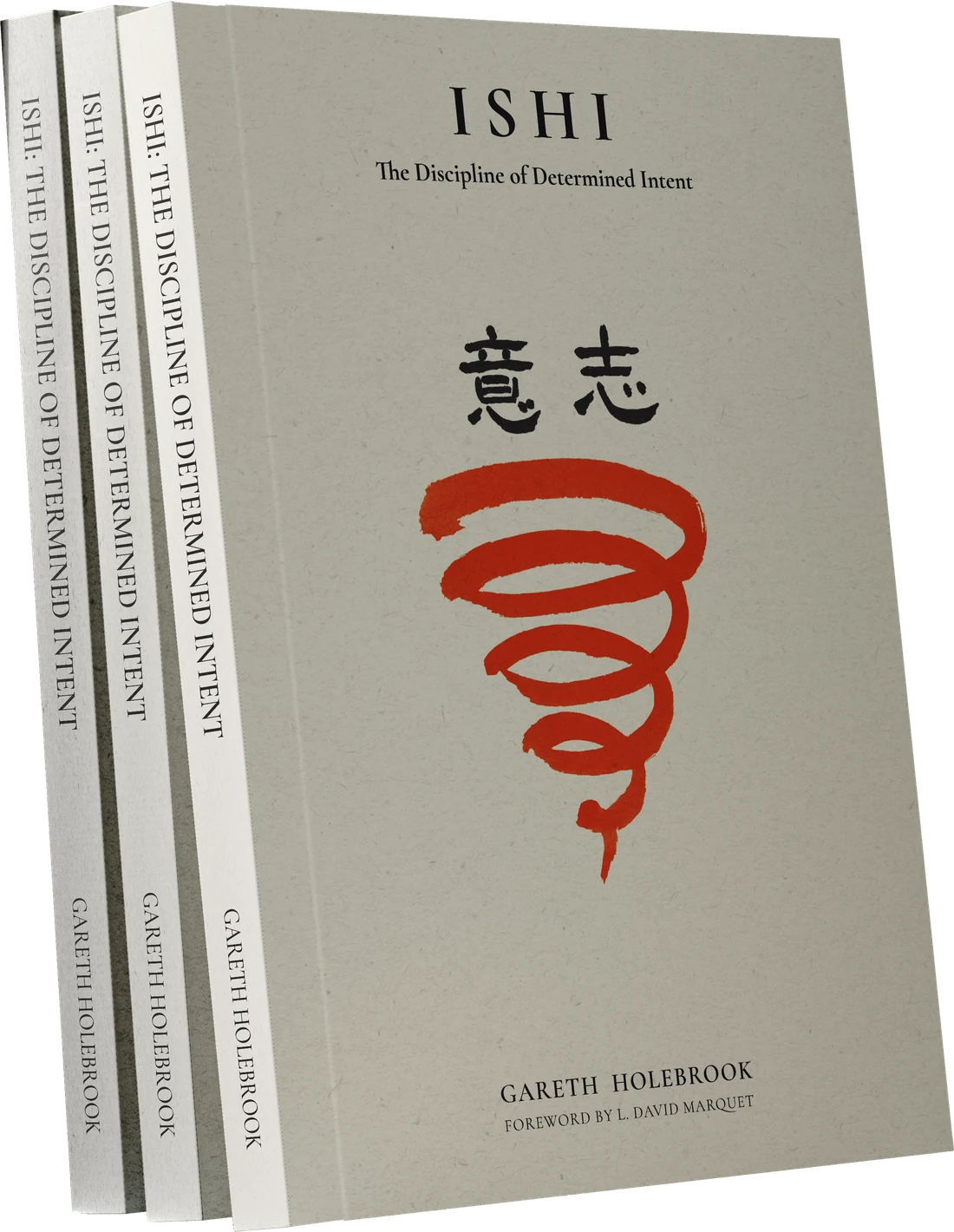
- Not yet validatedThe 4 phases working together have not been tested as an integrated system. Ishi: The Discipline of Determined Intent presents the Spiral as a record of what held up for its author and, for other readers, a hypothesis to test, then keep, adapt or discard. Some of the underlying research is subject to replication debates, such as ego depletion, and those debates are acknowledged in the bibliography rather than smoothed over.
That specific if-then commitments improve follow-through is a research finding with its own literature. That 4 concurrent phases keep intent coherent under sustained pressure is the Spiral's own proposition. To test it, try it on one short horizon, a day or a week, and return with what fails.
Read on Substack
Places the Spiral beside PDCA, OODA, Scrum and Toyota Kata without claiming to replace any of those, and says plainly that it has so far been tested only in its author's own practice.